Applications of Gps synchronized clock
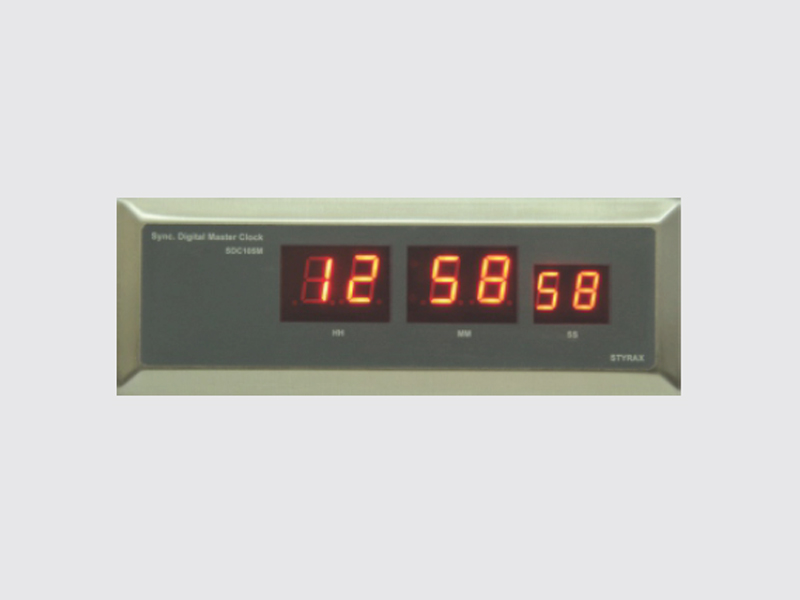
GPS synchronized clocks are widely used in various applications where precise timekeeping is essential. These clocks rely on signals from the Global Positioning System (GPS) satellites to provide highly accurate and reliable time. Here are some key applications of GPS synchronized clocks:
1. Telecommunications
Network Synchronization: GPS synchronized clocks are used to synchronize telecom networks, including mobile networks, fiber optics, and internet data systems. Accurate timing ensures smooth data transfer, reduces latency, and helps in coordinating multiple communication systems.
Cellular Networks: Mobile operators use GPS clocks to synchronize base stations and towers, ensuring that handovers between cells occur smoothly, and call quality is maintained.
2. Power Grid and Energy Systems
Grid Synchronization: GPS synchronized clocks are crucial for coordinating power generation and distribution systems, ensuring that power is evenly distributed across the grid. They help in maintaining the frequency and phase alignment of electrical systems.
Time-stamped Data for Monitoring: GPS-based time stamps are used to log events and faults in power systems. Accurate time stamps aid in troubleshooting and system performance analysis.
3. Financial Systems
Stock Exchanges and Trading: Financial markets, especially stock exchanges, rely on precise time to record trades and transactions. GPS synchronized clocks ensure that timestamps on trades are accurate to the millisecond, helping in reducing disputes and ensuring fairness in trading.
Cryptocurrency Networks: Blockchain-based systems like Bitcoin require synchronized clocks for accurate transaction records. GPS clocks help ensure precise timestamps for every transaction.
4. Scientific Research and Data Collection
Astronomy: GPS clocks are used in astronomical observatories to synchronize measurements, ensuring precise data collection when observing distant objects.
Geophysics: GPS-based time synchronization is critical for data from seismic stations, which helps to precisely analyze earth movements and potential natural disasters like earthquakes.
5. Transportation and Logistics
Aviation: GPS synchronized clocks are used in air traffic control and by airlines to ensure precise timing for flights, particularly for managing arrivals, departures, and coordination of air traffic.
Railway Systems: GPS clocks help synchronize train schedules and manage railway signaling systems, ensuring that trains are running on time and preventing collisions.
Fleet Management: Logistics companies use GPS-based clocks for accurate tracking and time management of vehicles, improving efficiency in deliveries and transportation logistics.
6. Broadcasting
Radio and Television Networks: GPS clocks are used in broadcast stations for time synchronization in the delivery of live events, news broadcasts, and commercials. This ensures that content is delivered on schedule and advertisements air at the correct times.
Content Distribution: GPS synchronization also plays a role in synchronizing satellite systems and servers in content distribution networks, ensuring that media is delivered with accurate timestamps.
7. Military and Defense
Precise Targeting and Communication: GPS synchronized clocks are used in military operations to coordinate timings for operations, missile targeting, and communication between units.
Satellite Communications: The military also relies on GPS synchronization for secure communication networks that depend on time-sensitive data exchange.
8. Security Systems
Surveillance and Monitoring: GPS clocks are used in security systems to timestamp video recordings and other data from surveillance cameras, making it easier to track events and incidents in real-time or for post-event analysis.
Access Control Systems: Time-sensitive access control systems, such as those in secure buildings, use GPS synchronized clocks to accurately log entry and exit times.
9. Time and Frequency Distribution
Time Servers: Many industries and sectors rely on GPS clocks as primary time servers to distribute accurate time throughout networks. This ensures consistent time across devices and systems within an organization.
Research and Calibration: In laboratories and calibration centers, GPS synchronized clocks are used to maintain accurate time for experiments and testing, ensuring that all instruments are properly calibrated.
10. Weather Forecasting and Meteorology
Satellite-based Weather Systems: Weather stations and satellites rely on GPS clocks to synchronize data collected for accurate weather forecasting. Time-stamped data helps in comparing measurements and tracking changes over time.
In essence, GPS synchronized clocks ensure precision, consistency, and accuracy in systems that depend on synchronized timing across multiple devices, networks, and locations. These clocks help reduce errors, improve safety, and enhance operational efficiency in various fields.


Comments
Post a Comment